
Mole Screening in Cumbria: How a Routine Skin Check Found Melanoma Twice

Skin checks are something I feel strongly about. As a nurse practitioner with a background in clinical assessment, it is important to look at the whole picture and not just the lesion someone points to, but everything else too.
Two appointments, a few weeks apart, highlighted the importance of this.
The First Appointment
A man in his fifties came to the clinic concerned about a lesion on his shoulder. He had noticed it for a while, and it had noticed it and it had grown. When I examined it, I was actually reassured. My clinical assessment was that this looked like a seborrhoeic keratosis; a completely benign, non-cancerous skin growth that becomes more common as we age. They can look alarming; they are often rough, raised, and darkened in appearance, which is why so many people worry about them. But they are harmless.
I explained this to him but asked if it was ok to continue to check the rest of him because that is how I work not just on a one off lesion but a full body assessment. And there, elsewhere on his skin, I found something that did concern me. A lesion that looked different. A lesion I wanted to look at more closely.
I was honest with him. I told him I wasn't worried about what he came in for, but I was concerned about something else. I explained the process that I would capture detailed images using a dermatoscope and send them to a consultant dermatologist through Map My Mole, a specialist reporting service that typically returns results within 48 hours, often the same day.
The report came backin less than 3 hours confirming my suspicion. The report indicated this was likely to be a melanoma and needed further investigation and assessment. He took his report to his GP, he was referred through the NHS two week pathway, seen by a dermatologist, and had it removed within weeks of his appointment at Essence, Maryport Cumbria.
The Second Appointment
A few weeks later, a man in his seventies came in again, concerned about a specific lesion, this time on his back. Again, my assessment was that the lesion he was worried about was a seborrhoeic keratosis. Again, I continued the full check.
And again, I found something else entirely.
The same process followed. Dermatoscope images. Map My Mole report. Clinical suspicion confirmed. NHS two week referral. Lesion removed.
Both men told me the same thing when I explained what I had found: they were relieved they had come in. Without the full skin check, neither lesion would have been found that day.
What This Means For You
Melanoma is one of the most serious forms of skin cancer but caught early, the outcomes are significantly better. The problem is that it does not always look the way people expect, and it does not always appear somewhere obvious.
At Essence, mole screening includes a full skin assessment using a dermatoscope, with suspicious lesions sent to a consultant dermatologist via Map My Mole for a same or next-day expert report. Where lesions are identified as low-risk, cryotherapy removal is available in clinic. Where further investigation or surgical removal is needed, I will refer you either through the NHS or to a private surgical clinic and I will make sure you understand every step of what happens next.
I do not excise lesions in clinic. What I do is make sure nothing is missed.
Book Your Mole Check
If you have a lesion you are concerned about, or if you simply have not had your skin checked in a while, May is the right time to do it.
Book your mole screening at Essence, Maryport, Cumbria and let us look at the whole picture.
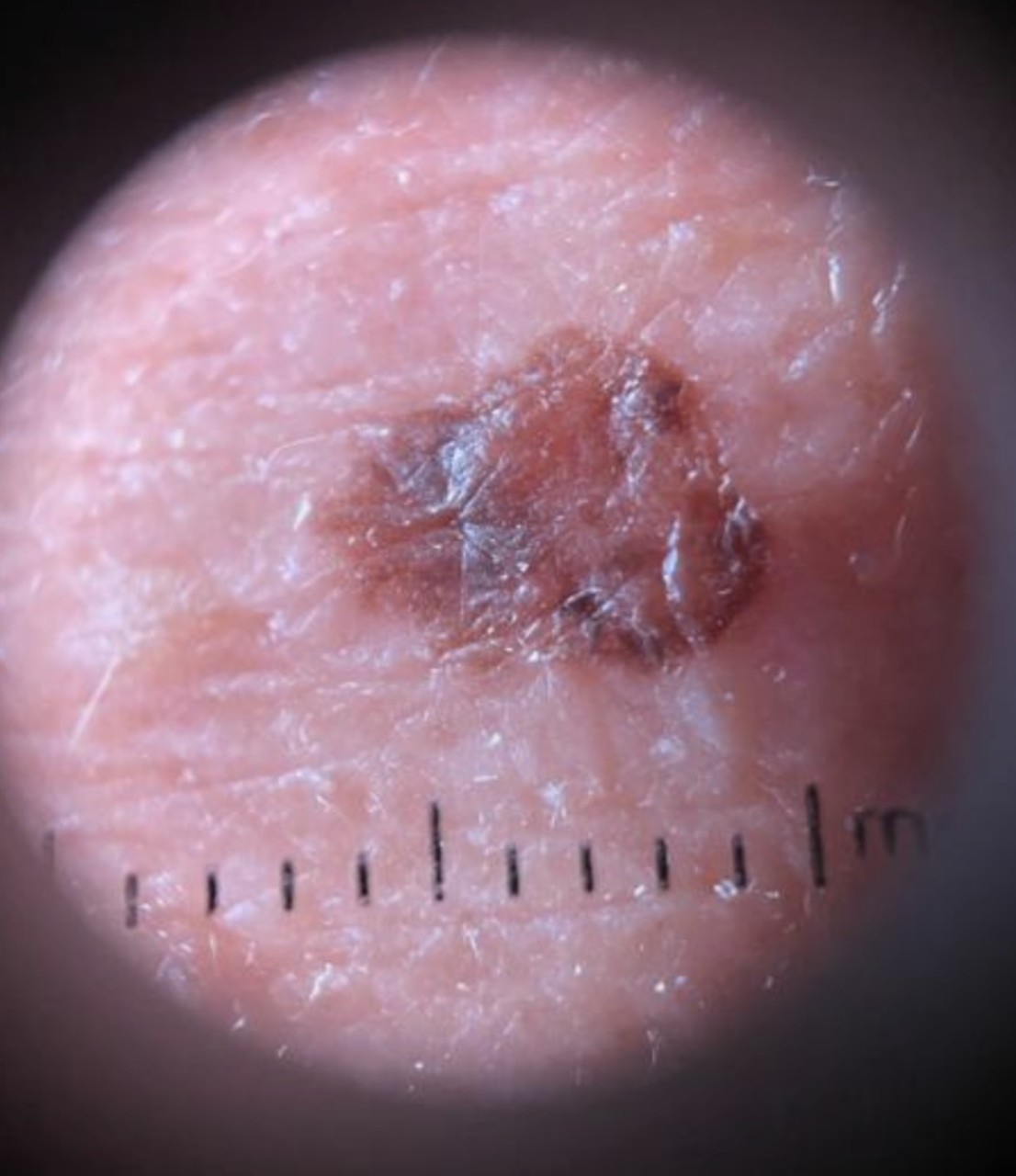
Melanoma close up under the dermatascope
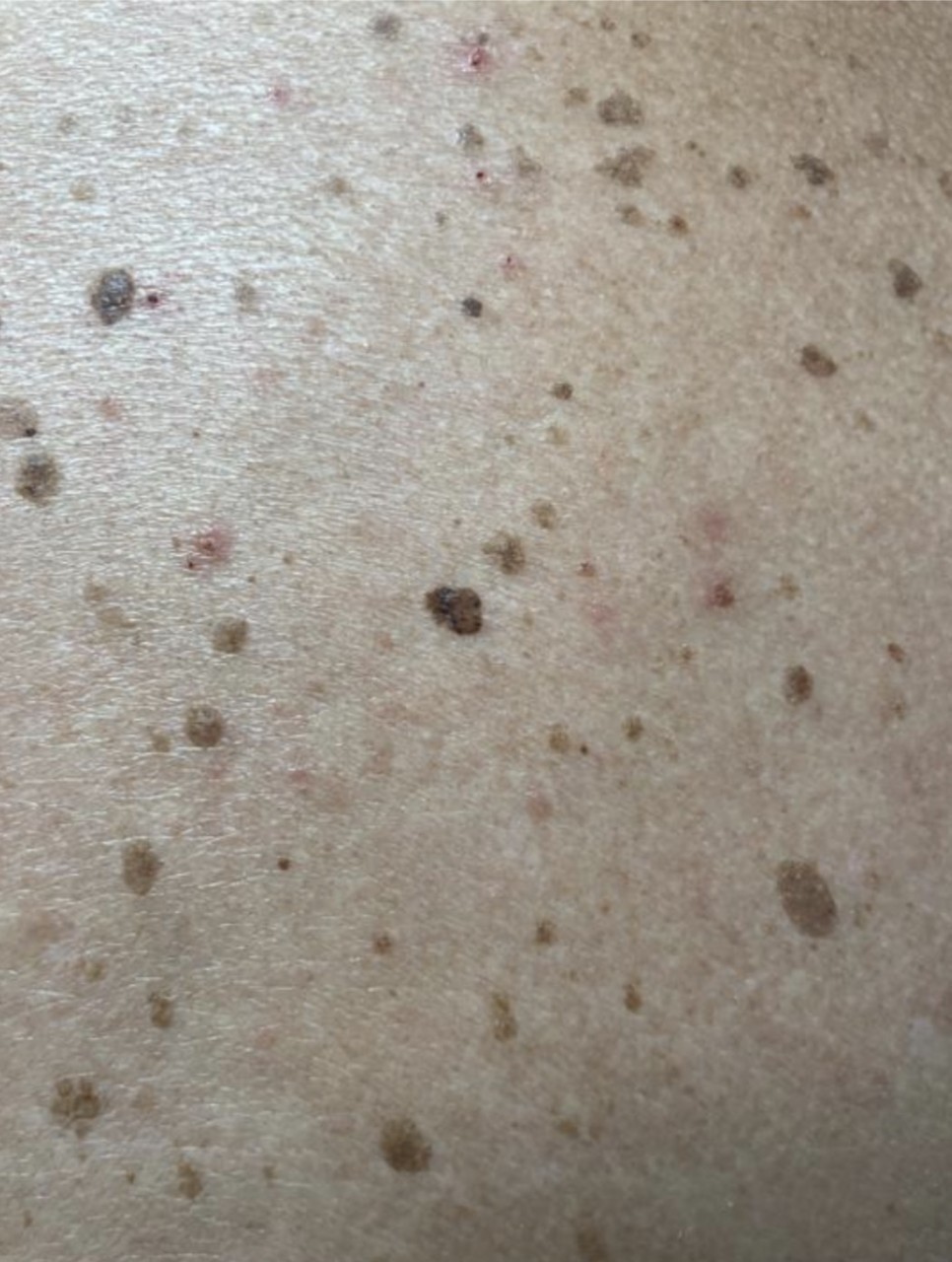
There is a melanoma in this image. Could you identify it?
When you subscribe to the blog, we will send you an e-mail when there are new updates on the site so you wouldn't miss them.

Comments